
Preserve your legacy media
We are inviting artists and creative practitioners to use our technical facilities and receive training in how to preserve legacy digital media stored on obsolete digital storage like CD-ROMs and floppy disks
Background
Born-digital artefacts produced in the last 40+ years are particularly vulnerable to obsolescence. Typically, such material has not been collected by cultural institutions in a timely fashion because of concerns about how it would be preserved and made accessible. Even where collections exist, such items are usually not accessible on today’s computers without emulation or other interventions. The cultural value of this material is considerable so it is imperative that it receives proper care; if disks are not imaged, their contents will be lost and remain inaccessible — to their owners, to interested researchers, and to anyone wishing to exhibit or otherwise showcase such legacy media artefacts.
We acknowledge that much legacy material is in private hands, which is why we are inviting artists to receive training in how to image their legacy media, to free important material from obsolete storage media and ensure it remains accessible into the future.
The Australian Emulation Network project has led the way in opening-up born digital collections across the country. We seek to build a collaboration between researchers and artists and other creative practitioners who hold such digital content to ensure that this heritage material is preserved.
Disk imaging
Disk imaging is the process of creating a bit perfect copy of a disk — essentially freeing files from obsolete storage carriers like CD-ROMs or floppy disks. We would like to share our imaging facilities with artists and train them in how to image their media so at-risk digital materials can be stabilised. We aim to build a community around disk imaging infrastructure by stabilising collections of significant born digital heritage.
It is important to note that imaging disks may not guarantee that the media will be accessible on a contemporary computer. There are avenues to restore access to more complex obsolete files, like emulation, which we are making available for research and appraisal purposes.
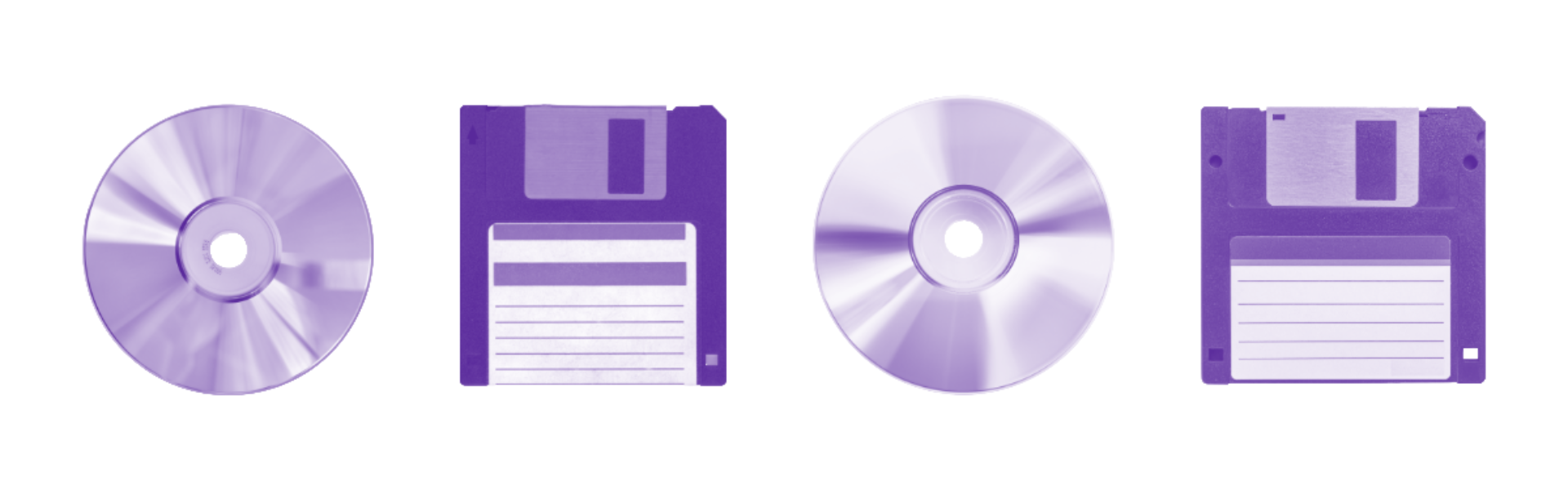
We have facilities for imaging CD-ROMs, floppies (5.25 in and 3.5in), and Zip drives. SyQuest disks, & DAT imaging may also be possible.
The Digital Heritage Lab is located in Melbourne, and we have additional sites in Adelaide and Sydney.